
 Months
after displacements, the Association of People Affected by the El
Quimbo Hydroelectric Project (Asoquimbo) still demands that the El
Quimbo hydroelectric project comply with its environmental license.
Months
after displacements, the Association of People Affected by the El
Quimbo Hydroelectric Project (Asoquimbo) still demands that the El
Quimbo hydroelectric project comply with its environmental license.Following the evictions that began on September 24 last year on several farms near La Jagua, Garzon and Gigante, all located in the area of impact of the Quimbo Hydroelectric Project, the affected communities continue to mobilize and denounce the construction of the dam that is currently being carried out on the Magdalena River.
 Throughout the closing months of last year, Miller Dussan, a professor at the Sur Colombiana University, has been giving a series of lectures
in different mid-Atlantic US cities, such as Boston, New York and
Washington D.C., where he has denounced the abuses and repression of
victims in Huila at the hands of both the State and those in charge of
the Quimbo Hydroelectric Project. In a conversation with Brent
Blackwelder from Friends of the Earth, the National Wild and Scenic
Rivers System, a systems of protected rivers created in the U.S. in
1973, was brought up and how to create a similar international systems
was discussed. During the same time, Isabel Cristina Zuleta, a
representative of Ríos Vivos, roundly denounced hydroelectric projects
in Colombia before the Inter-American Court of Human Rights (IACHR)
and requested interim measures and the suspension of El Quimbo and
other dams which are presently under construction such as Hidroituango
(Antioquia) and Hidrosogamoso (Santander).
Throughout the closing months of last year, Miller Dussan, a professor at the Sur Colombiana University, has been giving a series of lectures
in different mid-Atlantic US cities, such as Boston, New York and
Washington D.C., where he has denounced the abuses and repression of
victims in Huila at the hands of both the State and those in charge of
the Quimbo Hydroelectric Project. In a conversation with Brent
Blackwelder from Friends of the Earth, the National Wild and Scenic
Rivers System, a systems of protected rivers created in the U.S. in
1973, was brought up and how to create a similar international systems
was discussed. During the same time, Isabel Cristina Zuleta, a
representative of Ríos Vivos, roundly denounced hydroelectric projects
in Colombia before the Inter-American Court of Human Rights (IACHR)
and requested interim measures and the suspension of El Quimbo and
other dams which are presently under construction such as Hidroituango
(Antioquia) and Hidrosogamoso (Santander). In
October, Asoquimbo participated in two international gatherings that
brought together people from a variety of communities and countries
impacted by dams and other mining and energy projects. In the community
of Retalteco in Peten-Guatemala, members of Ríos Vivos Colombia;
impacted by the Quimbo Hydroelectric Project, Hidrosogamoso and
Hidroituango participated in the 5th Gathering of the Latin American Network of Against Dams (REDLAR)
along with people from Mexico and Central and South America. Zoila
Ninco, member of Asoquimbo, and Ríos Vivos from La Jagua, Huila
explained that “being able to come to Guatemala and see how the
government keeps communities who oppose dams completely abandoned and
that the communities remain firm and united against such desolation is
an example and inspiration for what we need to be against the Quimbo.”
In
October, Asoquimbo participated in two international gatherings that
brought together people from a variety of communities and countries
impacted by dams and other mining and energy projects. In the community
of Retalteco in Peten-Guatemala, members of Ríos Vivos Colombia;
impacted by the Quimbo Hydroelectric Project, Hidrosogamoso and
Hidroituango participated in the 5th Gathering of the Latin American Network of Against Dams (REDLAR)
along with people from Mexico and Central and South America. Zoila
Ninco, member of Asoquimbo, and Ríos Vivos from La Jagua, Huila
explained that “being able to come to Guatemala and see how the
government keeps communities who oppose dams completely abandoned and
that the communities remain firm and united against such desolation is
an example and inspiration for what we need to be against the Quimbo.”  At the same time as the REDLAR gathering, Asoquimbo and Ríos Vivos organized in Neiva and La Jagua the “International Gathering on the Extractive, Energy-Mining Model for the Defence of the Territories.”
Present were representatives of the Stop Enel Campaign (centered in
Italy) and the Maya Ixil People who have been impacted by the Palo Viejo
dam in Guatemala. From Colombia there was participation from the
National Association of Peasant Reserve Areas (Anzorc) and the
Association of Indigenous Councils of Northern Cauca (ACIN). The meeting
culminated in a march that began in La Jagua and ended with a rally in
the central park of Garzón.
At the same time as the REDLAR gathering, Asoquimbo and Ríos Vivos organized in Neiva and La Jagua the “International Gathering on the Extractive, Energy-Mining Model for the Defence of the Territories.”
Present were representatives of the Stop Enel Campaign (centered in
Italy) and the Maya Ixil People who have been impacted by the Palo Viejo
dam in Guatemala. From Colombia there was participation from the
National Association of Peasant Reserve Areas (Anzorc) and the
Association of Indigenous Councils of Northern Cauca (ACIN). The meeting
culminated in a march that began in La Jagua and ended with a rally in
the central park of Garzón.  An
element of the environmental license that the company responsible for
the El Quimbo Hydroelectric Project, Emgesa-Endesa -Enel has
consistently ignored is the care of the archaeological and cultural
heritage of the affected area. Along the banks of the Yaguilga river in
the municipality of El Agrado is the quiet community of San José de
Belén. The church of San José de Belén
has been recognized as a historical heritage building and is considered
the oldest structure in the municipality being that San Jose was
founded before El Agrado. According to the environmental license, the
company is obliged to relocate the community as a whole together with
the chapel in its new location; however, instead of fulfilling this
obligation the company is trying to convince community members (with
cash bribes) to not pressure for the company to perform this collective
relocation.
An
element of the environmental license that the company responsible for
the El Quimbo Hydroelectric Project, Emgesa-Endesa -Enel has
consistently ignored is the care of the archaeological and cultural
heritage of the affected area. Along the banks of the Yaguilga river in
the municipality of El Agrado is the quiet community of San José de
Belén. The church of San José de Belén
has been recognized as a historical heritage building and is considered
the oldest structure in the municipality being that San Jose was
founded before El Agrado. According to the environmental license, the
company is obliged to relocate the community as a whole together with
the chapel in its new location; however, instead of fulfilling this
obligation the company is trying to convince community members (with
cash bribes) to not pressure for the company to perform this collective
relocation. The
territory that today is threatened by the El Quimbo Hydroelectric
Project is the territory of the great original peoples such as the Tama
(the Payoguaje, according to some), the Nasa, the Andaki and the Yalcón.
The whole territory is full of evidence of the presence of the
ancestors of local inhabitants; milling stones, ceramic vases, nose
rings, and tombs (known as Guacas) which should be left in peace.
The
territory that today is threatened by the El Quimbo Hydroelectric
Project is the territory of the great original peoples such as the Tama
(the Payoguaje, according to some), the Nasa, the Andaki and the Yalcón.
The whole territory is full of evidence of the presence of the
ancestors of local inhabitants; milling stones, ceramic vases, nose
rings, and tombs (known as Guacas) which should be left in peace.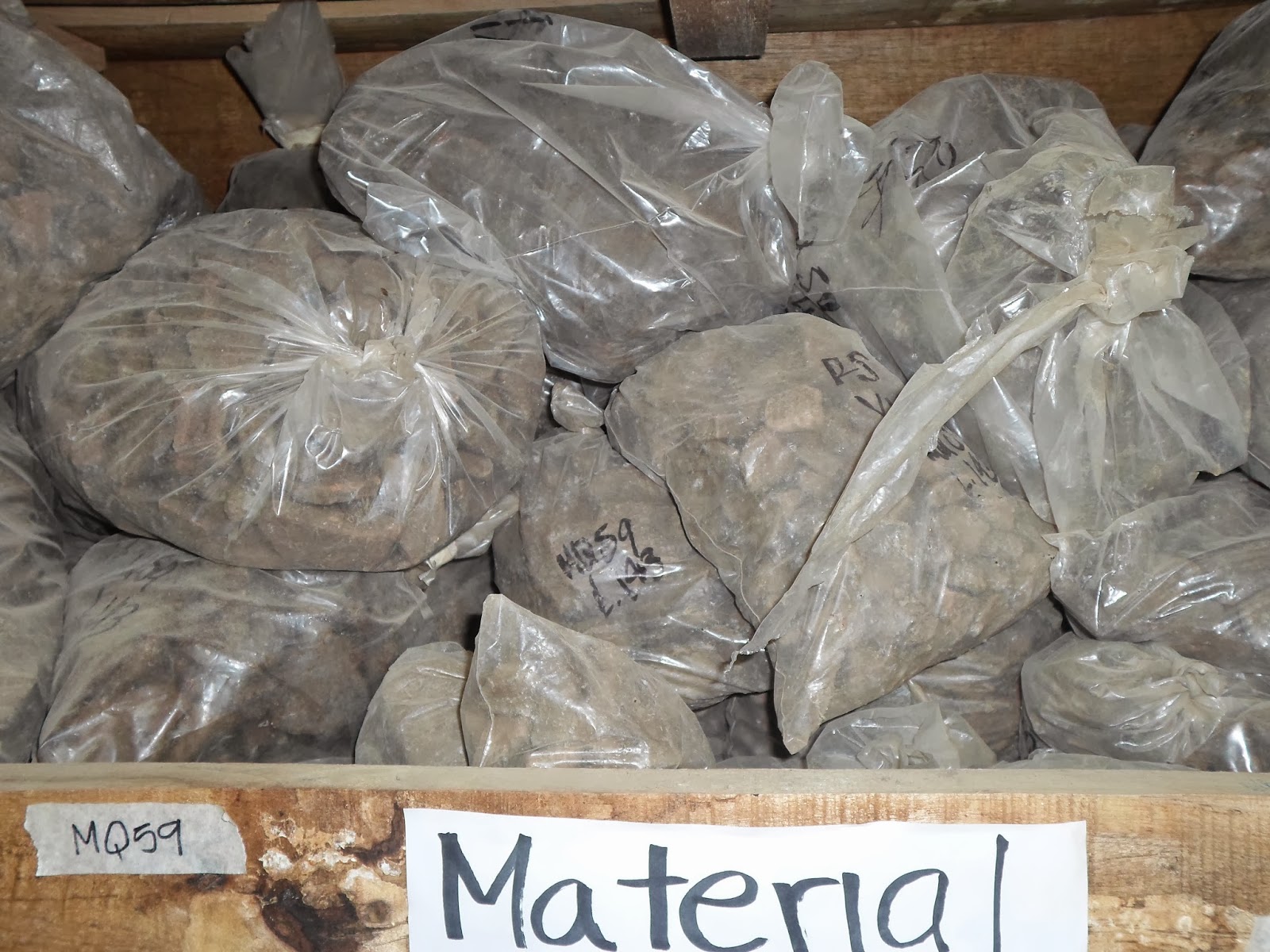 By means of the environmental license, Emgesa-Endesa- Enel and the Colombian Institute of Anthropology and History (ICANH) have used the Preventive Archaeology Program as a tool in removing cultural property
from the territory, also part of the license is that all objects and their image are intellectual property of the company and if not for the good will of some archeologists, local residents would have no access to cultural remains, some dating as far back as 100-300 BC. According to the ICANH, the company must create a museum
with these objects in one of the communities in the affected area and
so far no one knows where the museum will be located, when it will be
ready, who will manage it or if the descendants of the peoples whose
items are on display will be charged admission.
By means of the environmental license, Emgesa-Endesa- Enel and the Colombian Institute of Anthropology and History (ICANH) have used the Preventive Archaeology Program as a tool in removing cultural property
from the territory, also part of the license is that all objects and their image are intellectual property of the company and if not for the good will of some archeologists, local residents would have no access to cultural remains, some dating as far back as 100-300 BC. According to the ICANH, the company must create a museum
with these objects in one of the communities in the affected area and
so far no one knows where the museum will be located, when it will be
ready, who will manage it or if the descendants of the peoples whose
items are on display will be charged admission. As
the Quimbo Project progresses, so do all the other hydroelectric
projects which have been planned for Huila. Although currently pending,
Emgesa-Endesa-Enel is awaiting approval by the National Authority of
Environmental Licenses (ANLA) to start the Oporapa Hydroelectric Project.
It would be a 280 MW hydroelectric plant, which would affect the
municipalities of Isnos, Saladoblanco, Oporapa, Tarquinia, Elias and
Pitalito, as well as the Rumiyaco Indigenous Reservation of the Yanacona
People. The Oporapa Hydroelectric Project, as well as the Isnos,
Guarapas, Chillurco, Oporapa, Pericongo Paez, Aranzazu, La Plata and
Paicol dams which are also planned for the upper basin of the Magdalena
River as part of the strategy of the national government to privatize
the river. Known as the “Master Plan for Development of the Magdalena
River”, is being carried out by Cormagdalena in association with the
Chinese government owned HydroChina with an operating budget budge of
U$6,000,000.
As
the Quimbo Project progresses, so do all the other hydroelectric
projects which have been planned for Huila. Although currently pending,
Emgesa-Endesa-Enel is awaiting approval by the National Authority of
Environmental Licenses (ANLA) to start the Oporapa Hydroelectric Project.
It would be a 280 MW hydroelectric plant, which would affect the
municipalities of Isnos, Saladoblanco, Oporapa, Tarquinia, Elias and
Pitalito, as well as the Rumiyaco Indigenous Reservation of the Yanacona
People. The Oporapa Hydroelectric Project, as well as the Isnos,
Guarapas, Chillurco, Oporapa, Pericongo Paez, Aranzazu, La Plata and
Paicol dams which are also planned for the upper basin of the Magdalena
River as part of the strategy of the national government to privatize
the river. Known as the “Master Plan for Development of the Magdalena
River”, is being carried out by Cormagdalena in association with the
Chinese government owned HydroChina with an operating budget budge of
U$6,000,000. For well over a year, when Emgesa - Endesa- Enel buys a property in the communities of La Escalereta, el Balseadero or San José de Belén, it proceeds to demolish any structures immediately without any thought of the socio-psychological impact on the people who are still living in these communities. In addition to these communities, the company still needs to buy about 150 farms but it has not yet managed to do so. Antonio Sarmiento, the Quimbo director, says that the owners “refuse to sell or ask for too high a price.”
 In January 2014, the majority of these homeowners received expropriation orders from the State. Asoquimbo, together with the Tierra Digna Legal Organization,
is currently working with the owners and people from other sectors
whose rights have been ignored by the company and the State. Joaquin
Avila Ramos, one of the brothers belonging to a family from La Jagua who
received an expropriation order, said that “these lands have given us
the sustenance of life. We are a family of 8 siblings and our mother, we
are all independents and the company wants to settle with us all
together for an amount of U$8,500.oo each! This is not the real value
for our 6 hectares which are surrounded by Magdalena and Suaza Rivers.”
In January 2014, the majority of these homeowners received expropriation orders from the State. Asoquimbo, together with the Tierra Digna Legal Organization,
is currently working with the owners and people from other sectors
whose rights have been ignored by the company and the State. Joaquin
Avila Ramos, one of the brothers belonging to a family from La Jagua who
received an expropriation order, said that “these lands have given us
the sustenance of life. We are a family of 8 siblings and our mother, we
are all independents and the company wants to settle with us all
together for an amount of U$8,500.oo each! This is not the real value
for our 6 hectares which are surrounded by Magdalena and Suaza Rivers.” In
early February 2014, Carlos Cardozo, a journalist in the region,
documented the extensive deforestation carried out by Endesa- Enel -
Emgesa on the banks of the national road between Garzón and Rioloro. As a
result of cutting down of several hectares of forest, local inhabitants
have seen the dead bodies of animals like ocelots, deer, fox, coati,
opossum and a variety of snakes that have all been killed in their
attempt to escape the destruction. According to Cardozo, the inhabitants
of the region, “have never before seen these animals in this sector before.
In
early February 2014, Carlos Cardozo, a journalist in the region,
documented the extensive deforestation carried out by Endesa- Enel -
Emgesa on the banks of the national road between Garzón and Rioloro. As a
result of cutting down of several hectares of forest, local inhabitants
have seen the dead bodies of animals like ocelots, deer, fox, coati,
opossum and a variety of snakes that have all been killed in their
attempt to escape the destruction. According to Cardozo, the inhabitants
of the region, “have never before seen these animals in this sector before. In the final weeks of February the Constitutional Court of Colombia ordered that Emgesa-Endesa-Enel re-open the census for the impacted population citing a long list of inconsistencies
in implementation of the dam´s construction. Currently Quimbo
management says that the project is approximately 55% completed and
distracting many from varied requirements part of the project’s
environmental license that remain unfulfilled. During this time of
territorial defence and forced displacement executed by the State in
order to maintain the multi-national company´s “investor confidence”, it
has become apparent to inhabitants impacted by the Quimbo hydroelectric
project that the State must be made to fulfil its duties towards the
population, and that this will only happen through direct action. In the
coming months diverse and directed nonviolent protests and legal action
will take place to demand that the State forces the company to fulfil
its duties with regard to the affected population.
In the final weeks of February the Constitutional Court of Colombia ordered that Emgesa-Endesa-Enel re-open the census for the impacted population citing a long list of inconsistencies
in implementation of the dam´s construction. Currently Quimbo
management says that the project is approximately 55% completed and
distracting many from varied requirements part of the project’s
environmental license that remain unfulfilled. During this time of
territorial defence and forced displacement executed by the State in
order to maintain the multi-national company´s “investor confidence”, it
has become apparent to inhabitants impacted by the Quimbo hydroelectric
project that the State must be made to fulfil its duties towards the
population, and that this will only happen through direct action. In the
coming months diverse and directed nonviolent protests and legal action
will take place to demand that the State forces the company to fulfil
its duties with regard to the affected population.


